

Missed a vaccine reminder? What to do next without starting from scratch
A calm, practical recovery plan for a missed vaccine reminder: verify the record, contact the right provider, agree on catch-up, and repair the household system.
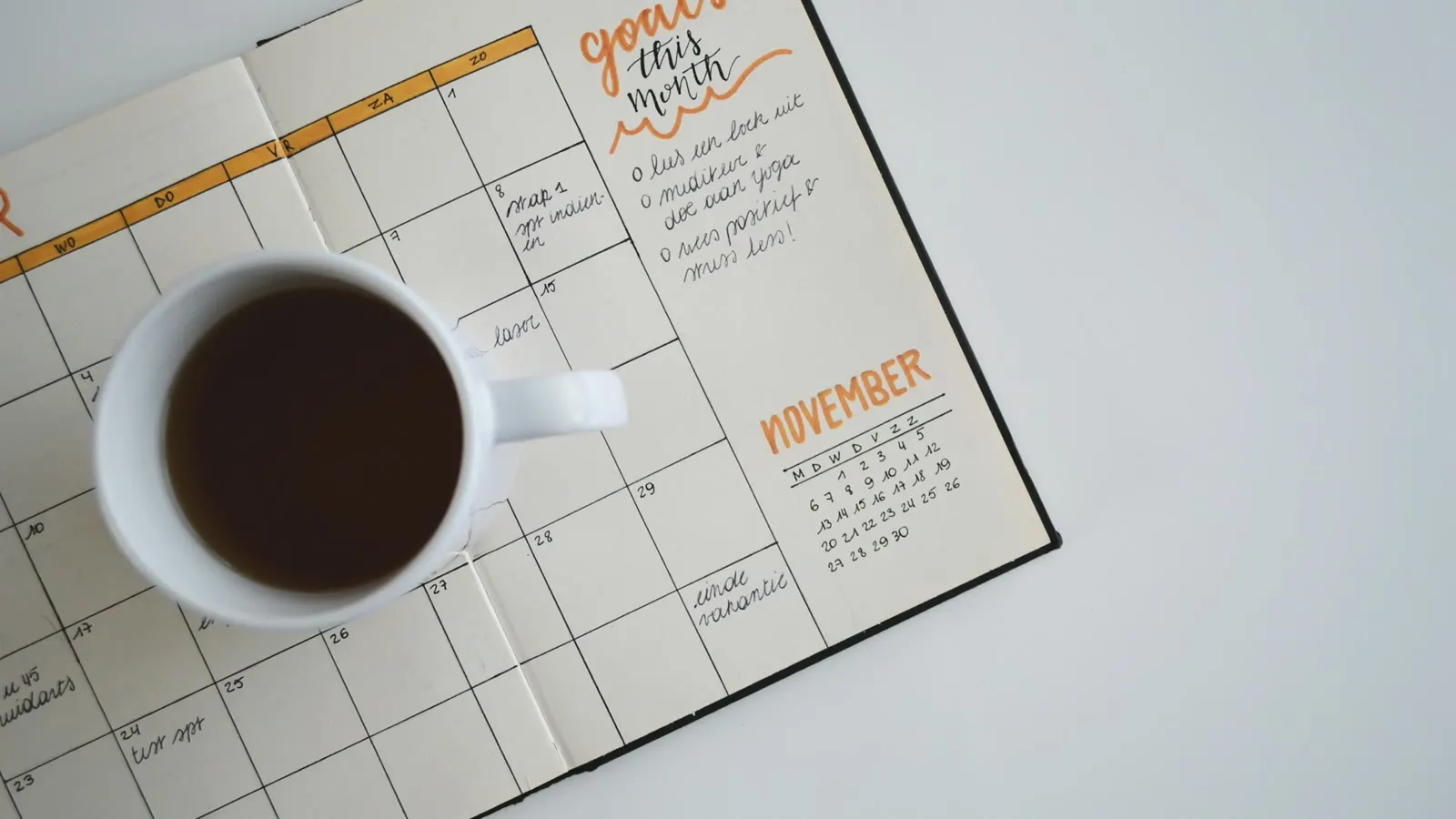
Missed reminders happen. A child gets sick, a clinic reschedules, travel interrupts the week, or an alert arrives while both caregivers are handling something else.
The useful question is not “How did we let this happen?” It is “What information do we need to choose the next safe step?”
Do not assume that a missed reminder means a vaccine series must start again. Do not assume that you can simply book the same dose tomorrow, either. Catch-up guidance depends on the vaccine, previous doses, age, health history, and the recommendations where you live. A qualified healthcare professional should interpret the record.
Step 1: identify what the reminder actually meant
Before changing dates, find the original reminder and ask:
- Who was it for?
- Did it refer to a vaccination, an appointment, a record request, or a planning review?
- Where did the date come from?
- Was an appointment missed, or only a personal alert?
- Could the visit have happened without the family record being updated?
Sometimes the “missed vaccination” is a filing problem: one caregiver attended the appointment, but the working copy still looks incomplete. Confirm what happened before taking further action.
Step 2: gather the record you have
Bring together reliable documentation rather than reconstructing the story from memory.
Look for:
- a provider-issued vaccination record
- patient portal entries
- pharmacy records
- school or occupational health copies
- regional or national registry records, where available
- dated clinic summaries or receipts
Write down uncertainty instead of filling it in. “Possibly received in 2019” is a question for the provider, not a date to enter as fact.
If you cannot locate an adult’s history, use the step-by-step adult vaccine record guide.
Step 3: contact the right healthcare service
If a booked appointment was missed, start with that clinic. Ask whether it should be rebooked and what information they need.
If the reminder came from an old provider note or personal record, contact the current healthcare professional responsible for vaccination advice. Tell them:
- the person’s age
- which reminder was missed
- the dates and doses you can document
- any uncertainty in the record
- relevant travel or deadline information
Do not ask a school administrator, travel organizer, or app to determine a catch-up schedule. They may explain documentation requirements, but clinical decisions belong with qualified care.
Step 4: let catch-up guidance do its job
Delayed vaccination is common enough that official programmes include catch-up policies. The World Health Organization defines catch-up vaccination as vaccinating someone who missed doses in the national schedule and encourages programmes to identify eligible people and vaccinate them at the earliest appropriate opportunity.
In the United States, the CDC’s child and adolescent catch-up schedule states that a vaccine series does not need to be restarted regardless of the time elapsed between doses. That does not mean every person needs the same next dose or interval. The schedule contains vaccine-specific ages and minimum intervals for healthcare professionals to apply.
Other countries use their own schedules. Ask the provider which current official guidance applies rather than relying on a screenshot or an old online table.
Step 5: replace the stale reminder with a current action
Once you have contacted the provider, update the household system.
Use one of these clear next actions:
- “Waiting for clinic reply; Jordan will follow up Friday.”
- “Appointment confirmed for 14 October; bring the paper record.”
- “Request sent to previous pharmacy; no clinical date confirmed yet.”
- “Provider reviewed the record and said no further action is needed; file the response.”
Keep a planning reminder visibly different from provider-confirmed medical instructions.
If you use Vaccine Ready, attach the updated administrative reminder to the correct profile and compare any record entry with the source document. The app can organize the next step; it cannot decide the catch-up plan.
Step 6: close the record loop after the visit
When the appointment happens, finish the administrative work while the details are fresh:
- obtain or request the official record
- check the name and date
- save the provider and vaccine details as documented
- note any written follow-up instruction
- remove obsolete alerts
- tell the other caregiver that the loop is closed
Keep original documents or official digital copies according to the system available where you live. A family app or PDF can be a convenient working copy, but it may not meet every request for official proof.
Find the reason the reminder failed
Repair one weak point rather than redesigning everything.
Common causes include:
- Bad timing: the alert arrived when nobody could act. Move it to a planning window.
- No owner: both caregivers assumed the other would handle it. Add a name.
- No context: the alert did not identify the person or source. Rewrite it.
- Record elsewhere: the reminder and documentation lived in separate systems. Link or cross-reference them.
- Too many alerts: important reminders disappeared in notification noise. Remove duplicates.
- Access problem: the responsible caregiver could not reach the portal or document. Fix authorized access before the next deadline.
The guide to staying ahead of reminders explains how to design clearer alerts. If ownership is the issue, read How partners can share the reminder load.
A five-line recovery checklist
- Identify the person, task, and source date
- Gather reliable records and mark uncertainty
- Contact the appropriate healthcare provider
- Record the provider-confirmed next step
- Fix one reason the reminder was missed
That is enough. You do not need to punish yourself with a more complicated system.
When to seek help promptly
Contact a healthcare professional promptly if the person has a health condition affecting vaccination decisions, is pregnant, has had a previous serious reaction, needs vaccination advice for imminent travel, or may have been exposed during an outbreak. If you are dealing with an urgent medical concern, use local urgent or emergency services rather than a reminder workflow.
Recover, then return to routine
A missed reminder is not a verdict on your family’s care. Verify what happened, bring the record to someone qualified to interpret it, and create one current action.
Once the loop is closed, return to a small maintenance habit such as the 10-minute weekly reminder routine. A calm system should help you recover quickly—not demand that real family life never interrupts the plan.
Official resources
Reminders and routines
Adult vaccine records: how to rebuild your history when the paperwork is missing
Missing adult vaccine records are common. Rebuild the documented history first, then let a healthcare professional decide how to handle the gaps.
A 10-minute weekly vaccine reminder routine for busy families
Ten calm minutes each week can turn vague vaccine reminders into clear, shared next steps.
How dads and partners can share the family reminder load
Real support means owning outcomes, not waiting for the family organizer to assign every vaccination task.